

If you typed car sell used into Google, you probably want to turn your car into cash without a headache. The best route depends on what you value most. A private sale pays the most but takes the most work. A dealer trade-in is easiest when you are buying another car. A remote video appraisal, like the one Car Trackers runs, suits you if you want a competitive offer, same-day payment, and no strangers at your door.
Selling a used car always trades price against speed and effort. The wrong choice can cost you a thousand dollars or a month of evenings. This guide ranks six ways to sell, from an instant offer to a by-owner listing, and shows who each one suits, what it costs, and how fast it pays.
After the list you will find a comparison table, a worked example with real numbers, and a paperwork checklist. If you came to buy rather than sell, the same title and payment checks will help you vet a seller.
1. Car Trackers instant offer by video call
How it works
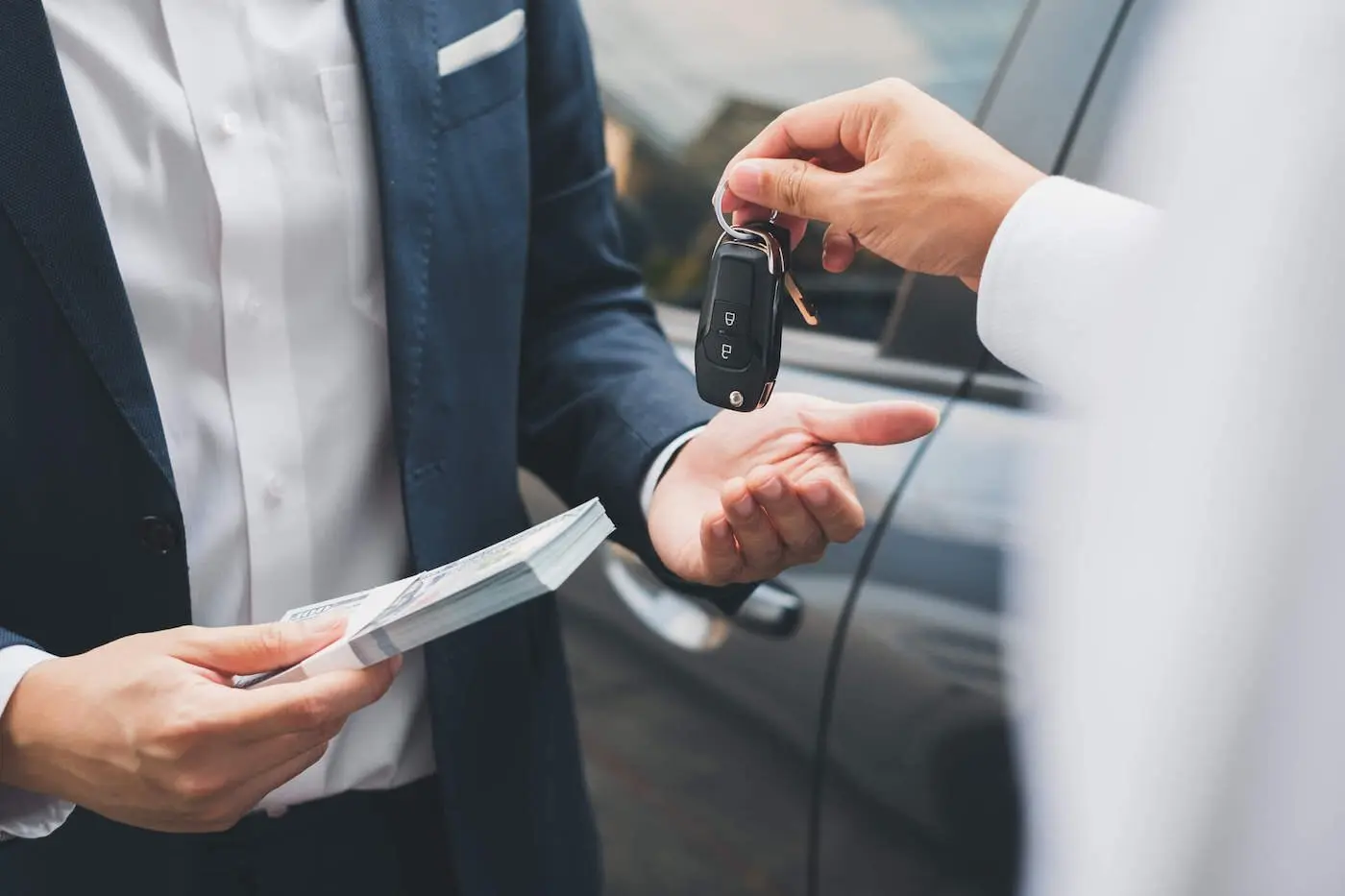
Car Trackers buys your car remotely, so no part of the sale requires a trip to a dealership. You submit your vehicle details online, book a time, and a licensed appraiser inspects the car with you over a smartphone video call. The call lasts about 10 minutes, and Car Trackers completes each appraisal within 15 minutes. You hear a final offer instantly, with no cost and no obligation.
- Submit your year, make, model, and condition details online.
- Pick a date and time. Car Trackers confirms the appointment.
- Show the car on the video call from home, work, or anywhere with a network connection.
- Receive your final instant car offer.
- Accept, then schedule pickup at a time that suits you. Licensed appraisers handle the purchase agreement, title transfer, and DMV paperwork.
- Get paid by same-day wire as soon as the car is picked up. A certified check is also available.
A fully remote appraisal turns the dealership visit into a 10-minute phone call.
Who it suits, cost, and speed
This option suits busy owners, people getting out of a lease, and anyone upgrading who hates haggling. Pricing rests on real-time market data and a professional evaluation of your car, and Car Trackers says it beats most dealership offers by up to $1,000. The trade-off is simple. A patient, well-prepared private seller can still occasionally top any instant offer, so treat this as a strong baseline to measure the others against.
- Cost: the appraisal is free and carries no obligation.
- Speed: offer during the call, wire payment the day the car is picked up.
- Vehicles: all years, makes, and models.
- Track record: 4.5 stars on Yelp.
2. Selling by owner
How it works
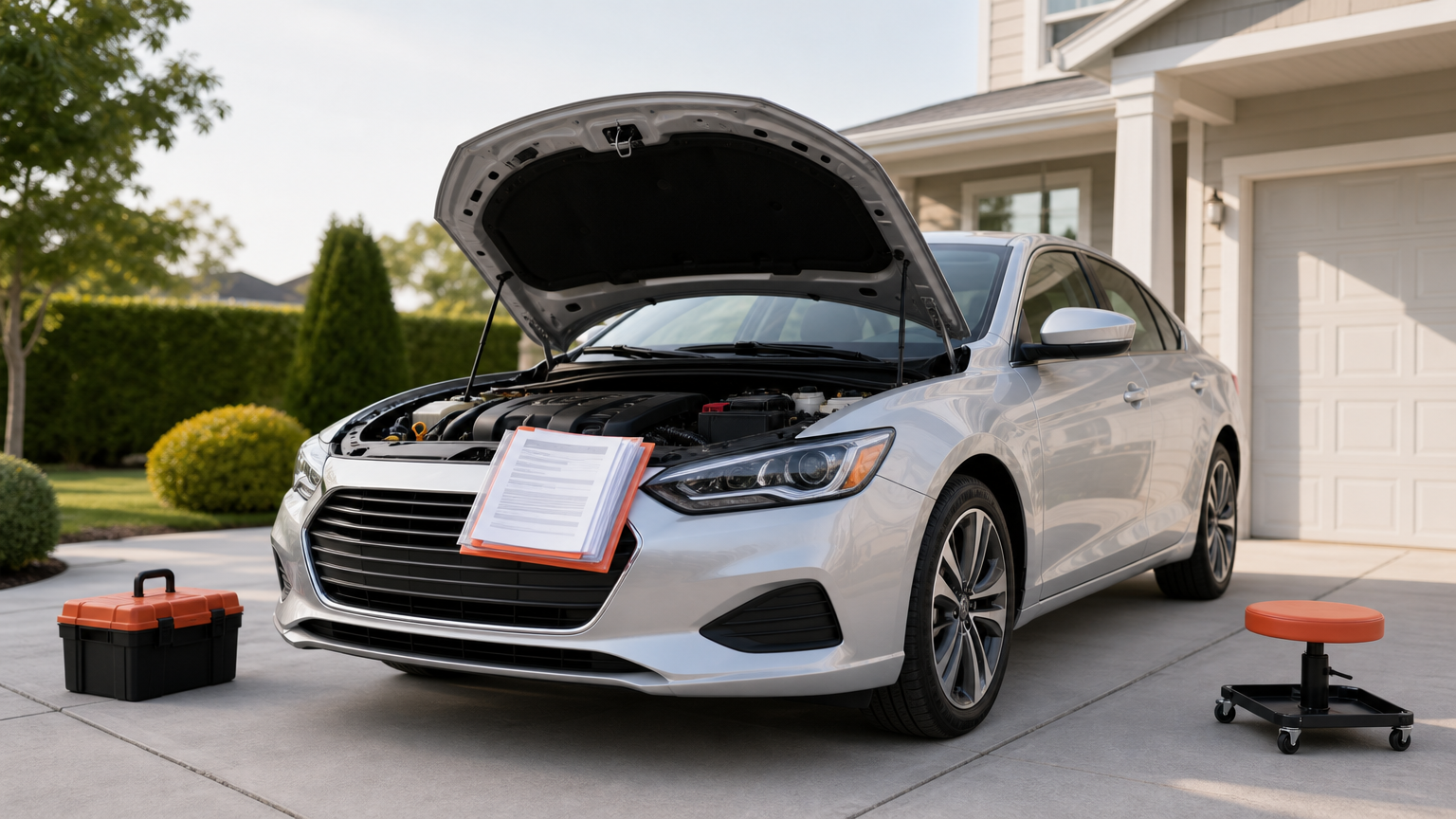
A by-owner sale means you find the buyer yourself. A search like used car sell by owner near me usually surfaces local classifieds and marketplace apps, and Facebook Marketplace, Craigslist, and Autotrader’s private-seller listings are the usual places to post. You write the ad, answer messages, host test drives, and close the deal.
Price comes first. Pull a free vehicle valuation report, such as the ones Car Trackers offers, to see what similar cars are worth, then price a little above your floor to leave room for negotiation. Shoot 15 to 20 photos in daylight with a clean car, and put the trim, mileage, and service history in the first lines of the ad. Buyers skip vague listings.
A private sale pays the most because you keep the dealer’s margin, and you earn it with your time.
Who it suits, cost, and speed
Sellers with time, a clean title, and patience for strangers do best here. Protect yourself by meeting in a public place and never handing over the title before payment clears. Accept safe cash payment by having cash counted at the buyer’s bank, or verify a cashier’s check with the issuing bank, because fake cashier’s checks are a common scam.
- Cost: free on many platforms, with small fees on some.
- Speed: a few days to several weeks, depending on price and demand.
- Risk: no-shows, lowball messages, and payment fraud.
- Paperwork: all yours, including the bill of sale and odometer statement.
3. Dealer trade-in
How it works
A trade-in means the dealer takes your old car as part of buying your next one. You drive to the dealership, they appraise your car, and the agreed value comes off the price of the new one. You sign one set of papers, and the dealer typically handles title transfer and any lender payoff on your old car.
Two details protect your money. In many states, the trade-in value also reduces the taxable price of the car you buy, so check your state’s rule before you compare offers. Also, negotiate the two deals separately. Settle the price of the car you are buying first, then discuss your trade, so a generous trade figure cannot hide a padded sticker price.
Negotiate the car you buy and the car you sell as two separate deals.
Who it suits, cost, and speed
Trade-ins suit you if you are replacing the car anyway and value a single stop over the last few hundred dollars. Expect a lower number than a private sale, because the dealer has to recondition and resell your car at a profit.
- Cost: the gap between the trade offer and what the car would fetch privately.
- Speed: usually settled during one visit.
- Payment: a credit toward your purchase, not cash.
- Catch: it only works if you are buying from that dealer.
4. Selling outright to a local dealer
How it works
Many used car lots and franchise dealers will buy your car without selling you one. You bring the car and title, a buyer walks around it, drives it, checks it against current auction and retail prices, and gives you a figure. If you accept, you sign a purchase agreement and leave with payment, often the same day.
Offers vary by lot, since each dealer wants different inventory. Collect at least three quotes in one afternoon, because spreads of several hundred dollars are common. Ask for each offer in writing and confirm whether it depends on a final inspection.
Three quotes in one afternoon is the cheapest way to learn what your car is worth to dealers.
Who it suits, cost, and speed
This route fits sellers who want a local handoff and fast cash but are not buying a replacement. It also works for cars with some wear, since dealers price in repairs they can do cheaply.
- Cost: no fee, but the offer sits below retail value.
- Speed: often the same day, plus the driving time between lots.
- Payment: usually a check or bank transfer. Confirm the method before you hand over keys.
- Effort: medium, because you repeat the process at every lot.
5. Online car-buying sites with an inspection
How it works
Nationwide online buyers ask for your plate or VIN, mileage, and a condition questionnaire, then show an offer within minutes. That offer usually holds for a limited window. After you accept, the buyer verifies the car at a nearby location or at your door, and the final amount can change if the car does not match your answers.
This is where video appraisal differs. Car Trackers checks the car with you on the call and gives the final offer then. With a form-based buyer, ask three questions before you accept: how long the offer lasts, what findings can lower it, and when payment arrives.
An online offer is final only when the car passes the buyer’s inspection.
Who it suits, cost, and speed
Form-based buyers suit sellers who want a quick number from the couch and will accept an inspection step. They are a good price check even if you sell another way, since the quote takes minutes and costs nothing.
- Cost: no listing fee, but read the terms for any deductions.
- Speed: an offer in minutes, completion in a few days.
- Payment: varies by buyer, so confirm the method and timing.
- Catch: a revised offer after inspection.
6. Consignment
How it works
With consignment, you leave your car with a dealer or consignment lot that lists, shows, and negotiates on your behalf. When it sells, the lot takes a fee and pays you the rest. You skip the ad, the messages, and the test drives, but you also wait for the sale.
Get the terms in writing before you sign. The agreement should state the fee (a flat amount or a percentage), your minimum price, how long the listing runs, who insures the car on the lot, and what happens if it does not sell.
Consignment trades speed for a higher price that someone else chases for you.
Who it suits, cost, and speed
Consignment suits owners of enthusiast, specialty, or higher-value cars, where a dealer’s showroom and buyer network can bring a better price than a classified ad. It does not suit anyone who needs money this month.
- Cost: a flat fee or a share of the sale price.
- Speed: the slowest option, often weeks to months.
- Payment: only after the car sells.
- Effort: low, apart from keeping the car clean and available.
How the six ways compare
Side-by-side comparison
The table scores each route on what most sellers care about. Price is relative to what a patient private sale would bring.
| Way to sell | Price | Speed | Your effort | Best for |
|---|---|---|---|---|
| 1. Car Trackers video appraisal | Competitive, beats most dealer offers by up to $1,000 | Offer during the call, wire on pickup day | Low | Busy sellers who want cash fast |
| 2. By owner | Highest | Days to weeks | High | Patient sellers |
| 3. Dealer trade-in | Lower | Same visit | Low | Buyers replacing the car |
| 4. Outright dealer sale | Lower to middle | Often same day | Medium | Cash without a new purchase |
| 5. Online buyer with inspection | Middle | A few days | Medium | Sellers fine with a verification step |
| 6. Consignment | High, minus the fee | Slowest | Low | Specialty or higher-value cars |
A worked example
Say a similar car is worth $15,000 in a private sale. A dealer offers $13,500 as a trade-in. If you buy a $30,000 car in a state that taxes only the difference, a 6% rate on $16,500 instead of $30,000 saves you $810. Your trade-in is then effectively worth $14,310.
Now suppose a dealer quotes $13,500 and Car Trackers beats it by the full $1,000. That is up to $14,500, paid the day of pickup. The private sale still leads by $500 on paper, but only after you have handled listings, strangers, and paperwork. For many sellers, that $500 is the price of their time, and you can decide whether it is worth it.
Paperwork to gather first
Have these ready before you list, visit a lot, or book an appraisal. Requirements vary by state, so confirm the details with your state DMV.
- The title, or your lender’s payoff amount and lien release process if you still owe money.
- A government photo ID that matches the name on the title.
- A bill of sale, which some states require.
- The current odometer reading, since federal rules require disclosure when most vehicles change hands.
- Service records and every key and fob.
- Your plate or release-of-liability filing, if your state requires one after the sale.
A clean title and organized records raise offers and shorten every kind of sale.
Pick the route that fits your week
Choose by what you value most. If you have weeks and want the top price, sell by owner. If you are buying another car at the same dealership, take the trade-in and check your state’s tax rule. If you want cash, speed, and no one at your door, a video appraisal gets you a final offer in about 10 minutes and payment the day the car is picked up.
Whatever you choose, get at least one second quote, gather your paperwork first, and never sign over a title before payment clears. If you want a quick benchmark, get a free video appraisal and instant offer from Car Trackers. It costs nothing, carries no obligation, and shows you what your car is worth before you decide.
