

When you type sell my used cars near me into Google, the fastest way to the most cash is to collect two or three firm offers in one afternoon and take the highest. A good buyer gives you a real number, pays quickly, and costs you little time. A remote service like Car Trackers suits busy sellers who want a price without driving anywhere. A local dealer suits anyone buying another car. A private sale suits you if you have a week to spare and want the highest ceiling.
The trouble is that "near me" results mix dealers, scrap yards, and lead forms, and each one quotes a different way. Accept the first number you hear and you can leave $1,000 or more on the table.
This list ranks five kinds of buyer by payout, speed, and effort. Car Trackers is our own service, so it comes first and gets described plainly. The four alternatives follow, each with how it works, who it suits, and what it pays, so you can pick a buyer and make the call today.
1. Car Trackers video appraisal
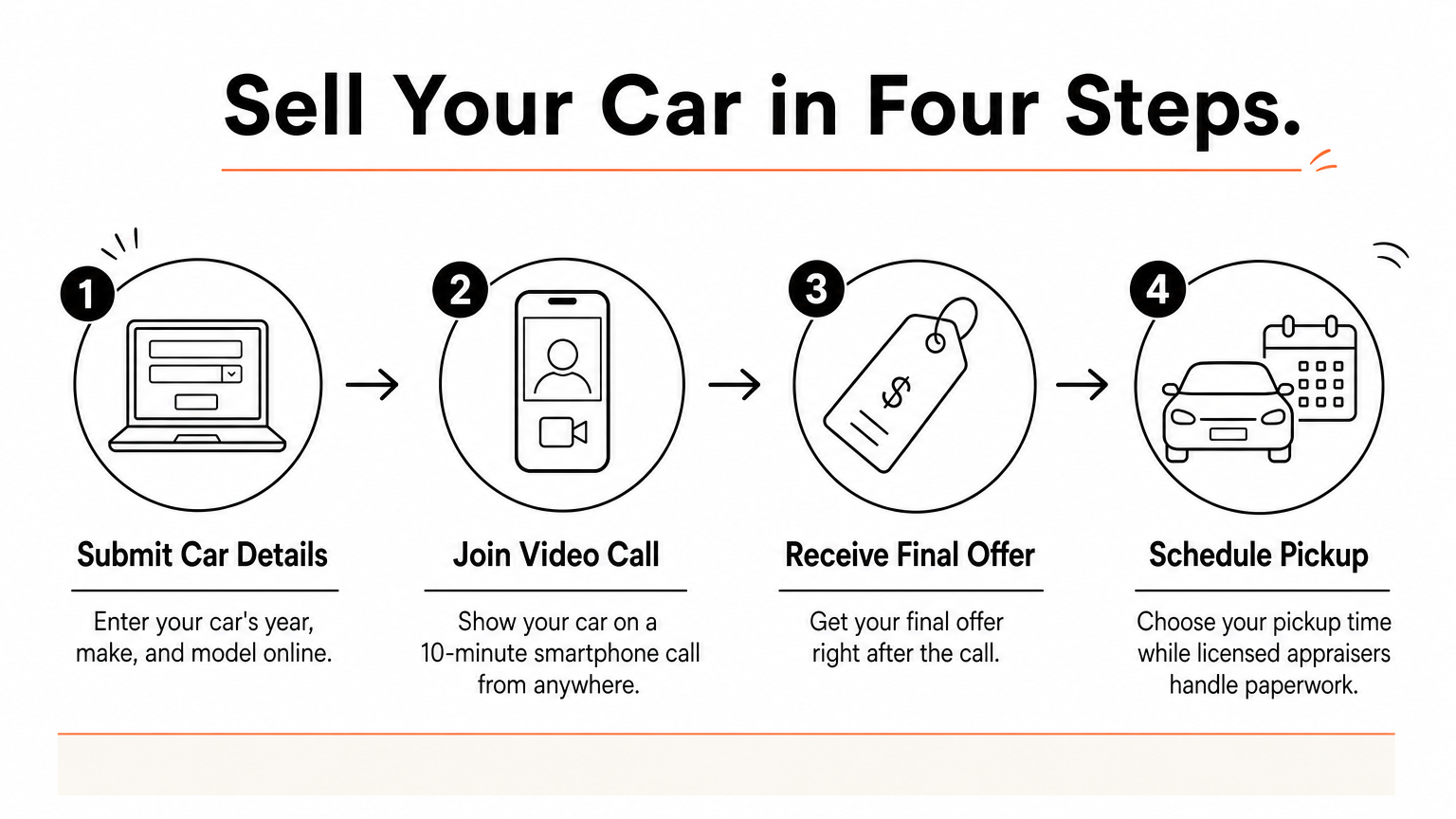
Car Trackers buys your car remotely. You submit the details online, show the car on a 10-minute smartphone video call, and get a final offer instantly, with no trip to a lot.
How it works
The process takes four steps, and you never leave your driveway. It costs nothing, and you owe nothing if you decline the offer.
- Submit your car’s year, make, and model online.
- Pick a time for the video call. You can show the car from home, work, or anywhere with a network connection. The appraisal runs about 10 minutes and finishes within 15.
- Receive your final offer right after the call.
- If you accept, schedule pickup when it suits you. Licensed appraisers handle the purchase agreement, title transfer, and DMV paperwork.
Who it suits and what it pays
Car Trackers fits busy owners, people leaving a lease, and anyone upgrading who would rather not haggle in a showroom. It accepts all years, makes, and models, and it prices from real-time market data plus the appraiser’s read of your car. A free valuation report shows your car’s market value before you decide anything.
Payment is same-day wire when the car is picked up, and a certified check is also offered. The company says it beats most dealer offers by up to $1,000 and will beat a competing dealer quote by up to that amount. If a dealer offers $12,000, that could mean up to $13,000. Treat $1,000 as a ceiling, not a promise. Car Trackers holds 4.5 stars on Yelp.
A firm offer from a 10-minute video call replaces a week of driving between lots.
2. Local franchised dealerships
A franchised dealer near you will buy your car whether or not you buy theirs, and you can often leave with an offer, or a check, the same day.
How it works
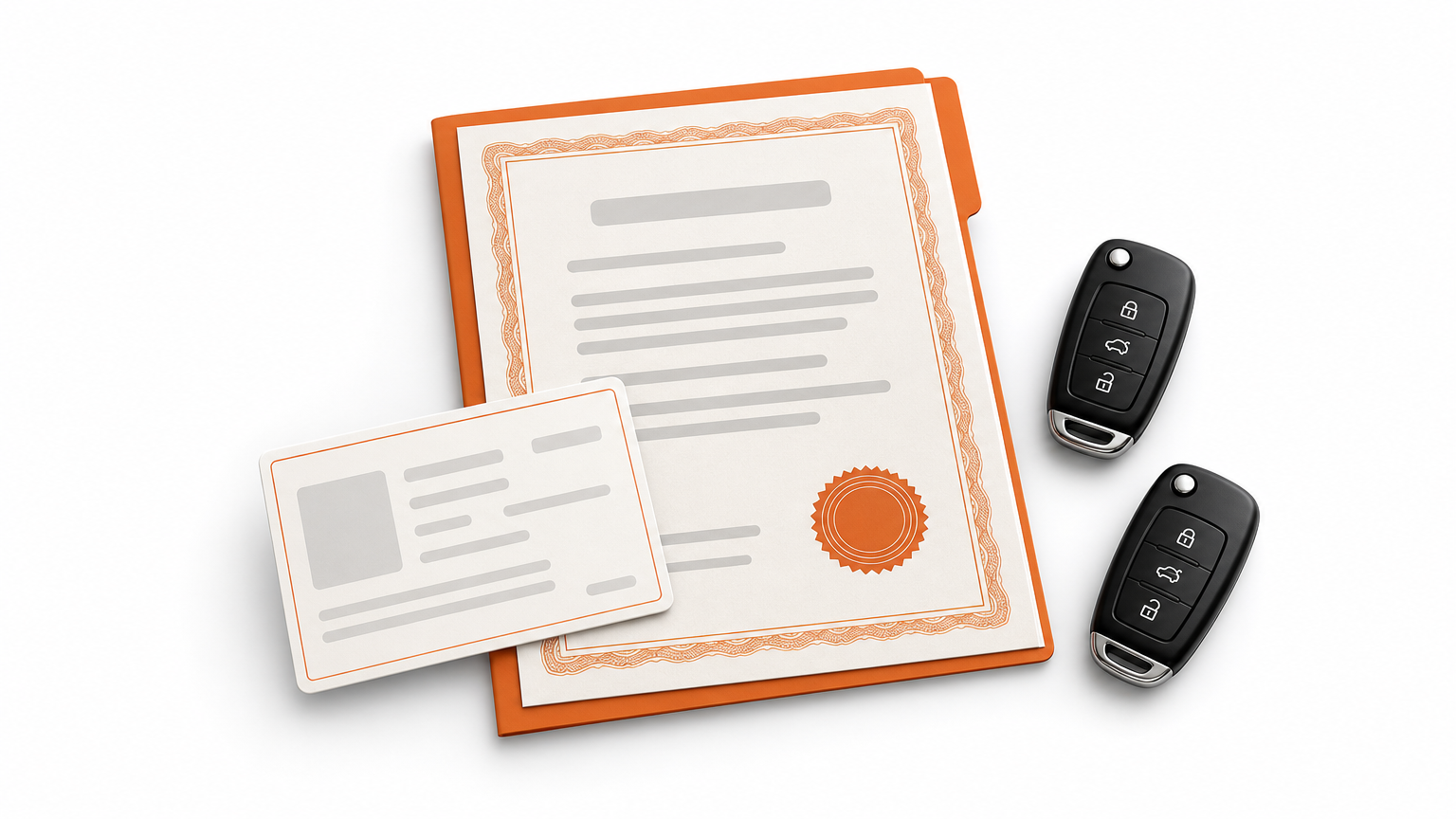
Most dealers have a "we buy cars" form or a walk-in appraisal. A used-car manager inspects the car, takes a short drive, checks its history report, and writes an offer. Ask how many days the offer holds, because some expire quickly. Bring these items:
- Title, or the payoff letter from your lender
- Current registration and photo ID
- Every key and fob
Who it suits and what it pays
Dealers suit sellers who want cash today and drivers buying another car from the same lot. A trade-in can also cut your sales tax in many states, because tax applies only to the price difference. At a 6% rate, a $12,000 trade-in credit saves $720. Check your state’s rule before you count on it.
Expect an offer below retail, because the dealer has to cover reconditioning and profit. The exception is a late-model car of the dealer’s own brand, which they want for their certified lot. Visiting three dealers costs an afternoon, so use a remote offer as your benchmark.
A dealer pays the most for the cars it wants to resell on its own lot.
3. Online offer marketplaces
Offer marketplaces let you enter your car once and receive bids from several dealers, so one form can replace a day of visits.
How it works
You enter your VIN or plate, mileage, and condition. Offers arrive by email or phone, usually within a day. Every offer is subject to an in-person inspection, which is where the number can change.
- Expect calls and emails from several buyers at once.
- Ask each buyer how and when they pay.
- Compare offers by the final amount after fees, not the headline figure.
Who it suits and what it pays
Marketplaces suit sellers who want competition without driving and don’t mind fielding calls. They pay best when your car is in demand locally, since dealers bid against each other for popular models. For an unusual car, you may get fewer and lower bids.
The risk is a bid that drops at inspection. If you describe a dent, a warning light, or worn tires honestly on the form, the inspection price stays close to the quote. Inflated condition ratings produce inflated offers that shrink on the lot.
Describe your car honestly online, because inspection is where optimistic offers shrink.
4. Pick-up cash buyers and scrap yards
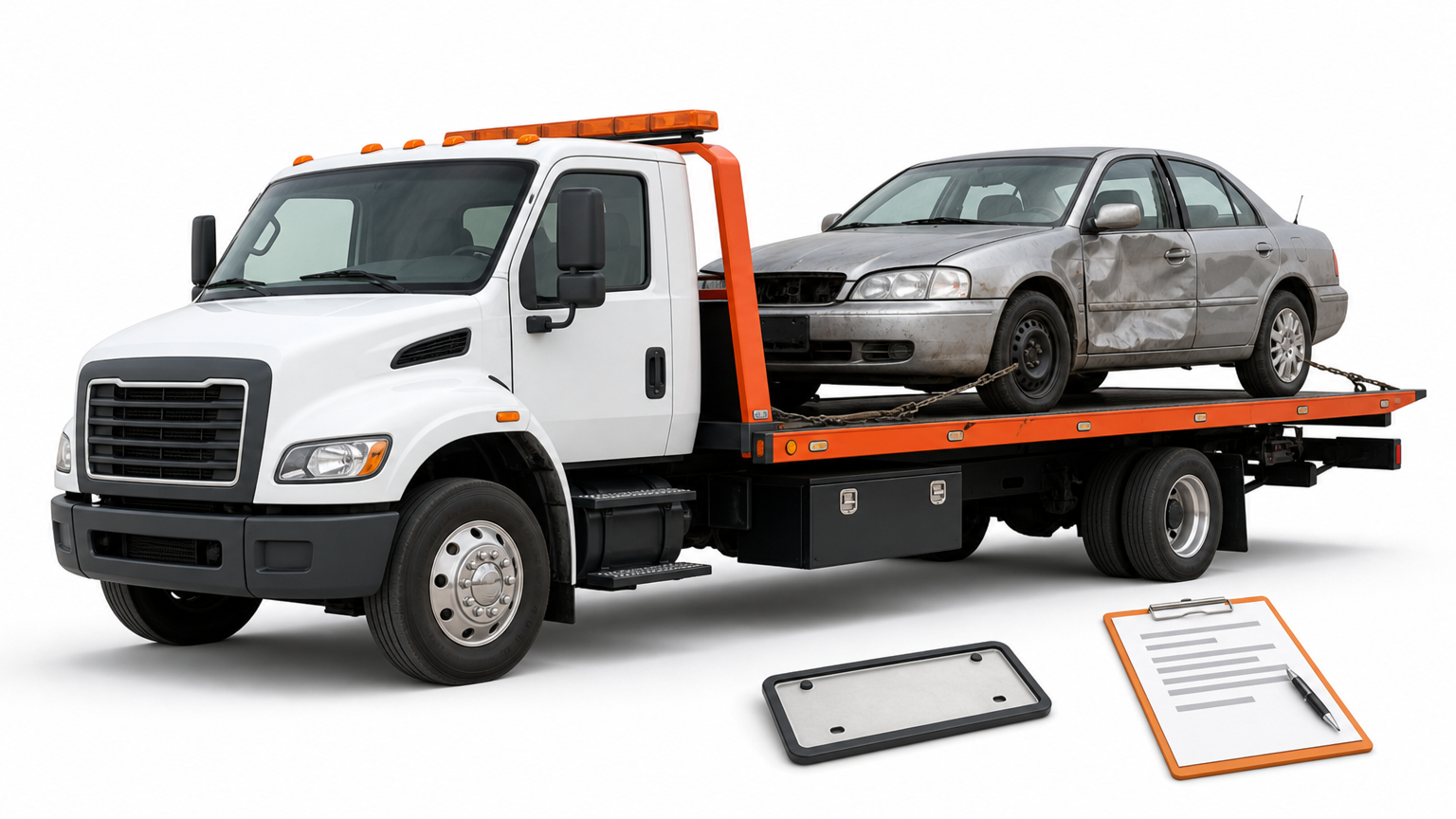
These buyers tow away cars that dealers turn down, and they pay fast, but they pay the least for a car that still runs.
How it works
You call or request a quote with the year, make, model, and condition. If you accept, they schedule a pickup, often within a day or two, and you hand over the title. Payment usually happens at pickup. For a non-running or wrecked car, the price reflects parts value or scrap weight.
Who it suits and what it pays
This route suits non-running, wrecked, or very old cars and owners who need them gone this week. It rarely suits a running car worth under $5,000. A car that starts and drives will usually fetch more from a private buyer or an online offer.
Protect yourself with three habits. Confirm the buyer is licensed, get a written bill of sale, and notify your DMV that you sold the car. Remove your plates if your state requires it.
Use a junk buyer only when the car can’t earn more anywhere else.
5. Private buyers in your area
A private sale usually brings the highest price, but it costs the most time and carries the most risk.
How it works
You set a price from a valuation report, take clear photos, and post the listing on a local classifieds site. Then you answer messages, allow test drives, and finish the paperwork. Plan for one to two weeks.
- Price the car at market value, with a small cushion for haggling.
- Photograph the exterior, interior, odometer, and any flaws.
- Meet buyers in a public place and ride along on test drives.
- Sign a bill of sale and file your state’s release of liability.
Who it suits and what it pays
Private sales suit sellers with time to spare and cars with broad appeal, such as common sedans and trucks. On cheaper cars, the dealer’s margin is a larger share of the price, so selling directly can add the most.
The main danger is payment fraud. Verify a cashier’s check with the issuing bank, refuse any buyer who sends more than the price, and keep the title until the funds clear.
Private sale pays the most only if you count your own time as free.
Which buyer to call first
The best price comes from competition, not from any single buyer. A remote offer takes about 15 minutes and sets your benchmark. A dealer or marketplace shows whether anyone beats it, and a private sale is worth the effort only if you have the time. Keep scrap buyers for cars that no longer run.
If you want a firm number today, start with the free video appraisal and compare it against any dealer quote you already have. Get your instant offer from Car Trackers and see whether it beats what you’ve been quoted.
