

When you ask how to sell my non running car for cash, the answer is a four-step routine. Gather your title and photos, find out what the car is worth, collect offers from at least three kinds of buyers, and close only with payment you have verified. Compare every offer after towing costs, because a high quote with a $150 tow fee can lose to a lower quote with free pickup.
The hard part is that a car that won’t start is difficult to price. Junkyards quote by weight, dealers worry about repair bills, and private buyers disappear when they hear "it doesn’t run." Meanwhile the car sits in your driveway, and every caller seems to want to pay as little as possible.
This guide covers who buys these cars and what each buyer pays, then walks through four steps in order. The same steps work if your car runs, so they also cover anyone who wants to sell a running car for cash. Car Trackers buys vehicles through a video appraisal, so the guide also shows where that route fits.
Who pays cash for a car that won’t run
The four buyer types compared
No single buyer pays the most for every car. The best payer depends on what is wrong with yours. Here is how the four main buyers compare.
| Buyer | What the offer is based on | Towing | Best for |
|---|---|---|---|
| Junkyard or scrapyard | Scrap weight plus usable parts | Often offered, but ask whether it is deducted | Wrecked, very old, or stripped cars |
| Dealership | Resale value minus repair and prep cost | Varies, sometimes you deliver it | Newer cars with a fixable fault |
| Online car buyer | Market value adjusted for condition shown in photos or video | Pickup arranged by the buyer, confirm any fee | Sellers who want speed without leaving home |
| Private buyer | Whatever a mechanic or hobbyist will pay | You arrange it | Cars with desirable parts or a cheap fix |
A junkyard sets your floor price, because scrap value is the least anyone should offer. Private buyers set the highest ceiling, but they take the longest and often want a test drive that a dead car can’t give.
The buyer who pays most is the one whose business model matches your car’s problem.
Does it matter that the car doesn’t run?
It matters a lot. A running car is priced at market value, and you can skip towing. A non running car is discounted by the repair cost plus the buyer’s risk that the repair turns out bigger than expected.
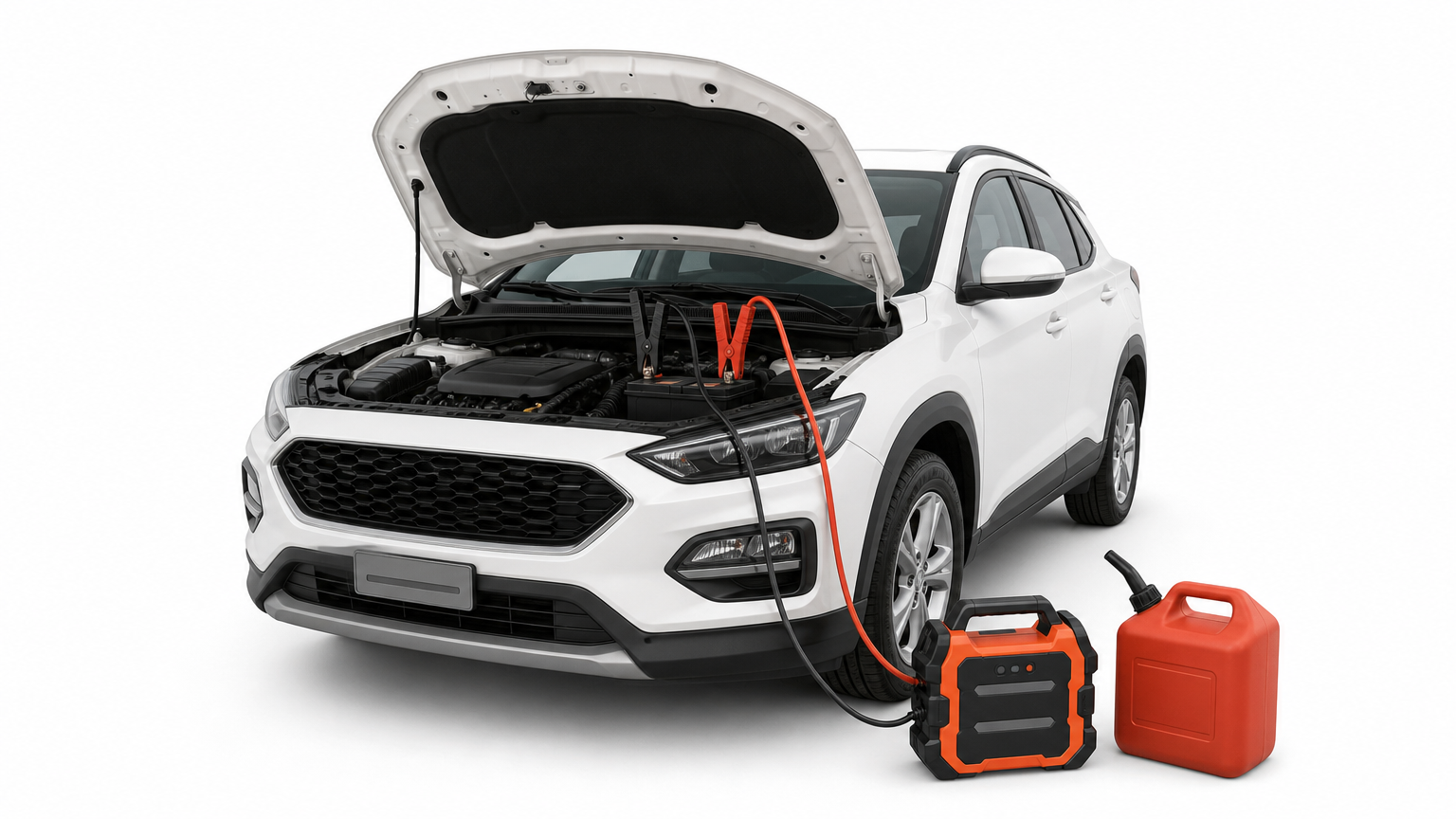
Before you list the car as dead, rule out the cheap causes. Try a jump start, check the fuel level, and look for a loose battery cable. A car that starts after a new battery sells as a running car, and the gap in price can be hundreds of dollars.
Step 1. Gather the title and document the condition
Collect the paperwork
Start with the title, because it controls who will buy and how much they offer. Gather these before you contact anyone:
- The title in your name, or a payoff letter from your lender if you still owe money
- Your photo ID and current registration
- The VIN and the odometer reading
- Service records and every key you have
Some buyers take a car without a title, but the rules differ by state and the offer drops. If yours is lost, request a duplicate through your state DMV first.
Document the condition honestly
Take photos of all four sides, the interior, the odometer, the VIN plate, the engine bay, and every dent or rust spot. Then record a short walkaround video. Buyers who can’t test drive a car rely on this footage.
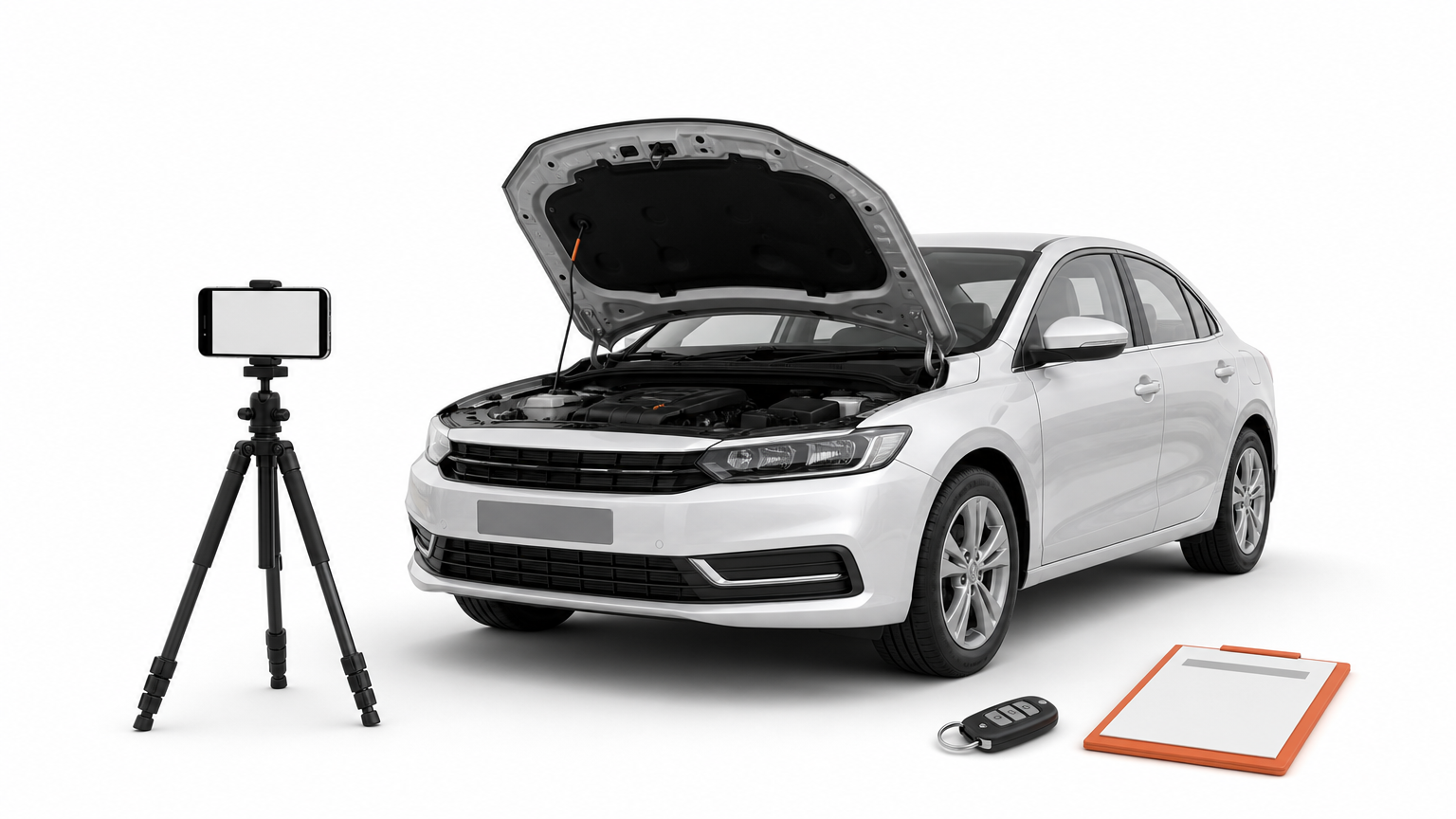
Write one plain sentence about why it won’t run, such as "cranks but won’t start" or "transmission won’t engage." Honest descriptions protect your offer. A buyer who finds a surprise at pickup can cut the price on the spot.
Good photos and one honest sentence about the fault earn firmer quotes.
Step 2. Find out what the car is worth
Know your floor and your ceiling
Your floor is the scrap quote. Call two local yards, give them the year, make, and model, and ask for a price. Your ceiling is roughly the running value minus the repair cost, before a buyer takes a margin.
Here is a worked example with made-up figures. A sedan like yours sells running for about $4,000, and a mechanic tells you the starter and a sensor cost $1,200. Your ceiling is $4,000 − $1,200 = $2,800. A yard quotes $350 for scrap. Any offer between $350 and $2,800 is realistic, and the position depends on the buyer’s margin.
Get a free value check
Search for the same model with a similar mileage and see what running ones list for. Subtract your repair estimate. You can also request one of Car Trackers’ free vehicle valuation reports, which show a car’s market value before you decide whether to sell.
An outside number keeps you from accepting the first lowball call. It also tells you whether a $200 repair would be worth doing before the sale.
Know your floor and ceiling before the first phone call.
Step 3. Collect offers from at least three buyers
Find buyers near you
To sell a non running car for cash near you, start with a map search for local junkyards and read their reviews. Then call the used car department of a dealership and ask whether they buy cars that need repair. Online buyers are the third source. They appraise remotely, so check whether they pick up in your area.
Get one quote from each of three types, such as a yard, a dealer, and an online buyer. Three offers show you the spread, and the spread is where your leverage comes from.
Ask every buyer the same five questions
- Is the quote final, or can it change at pickup?
- Does towing cost anything, and is it deducted from my price?
- When and how do I get paid?
- Who handles the title transfer?
- Can you send the offer in writing?
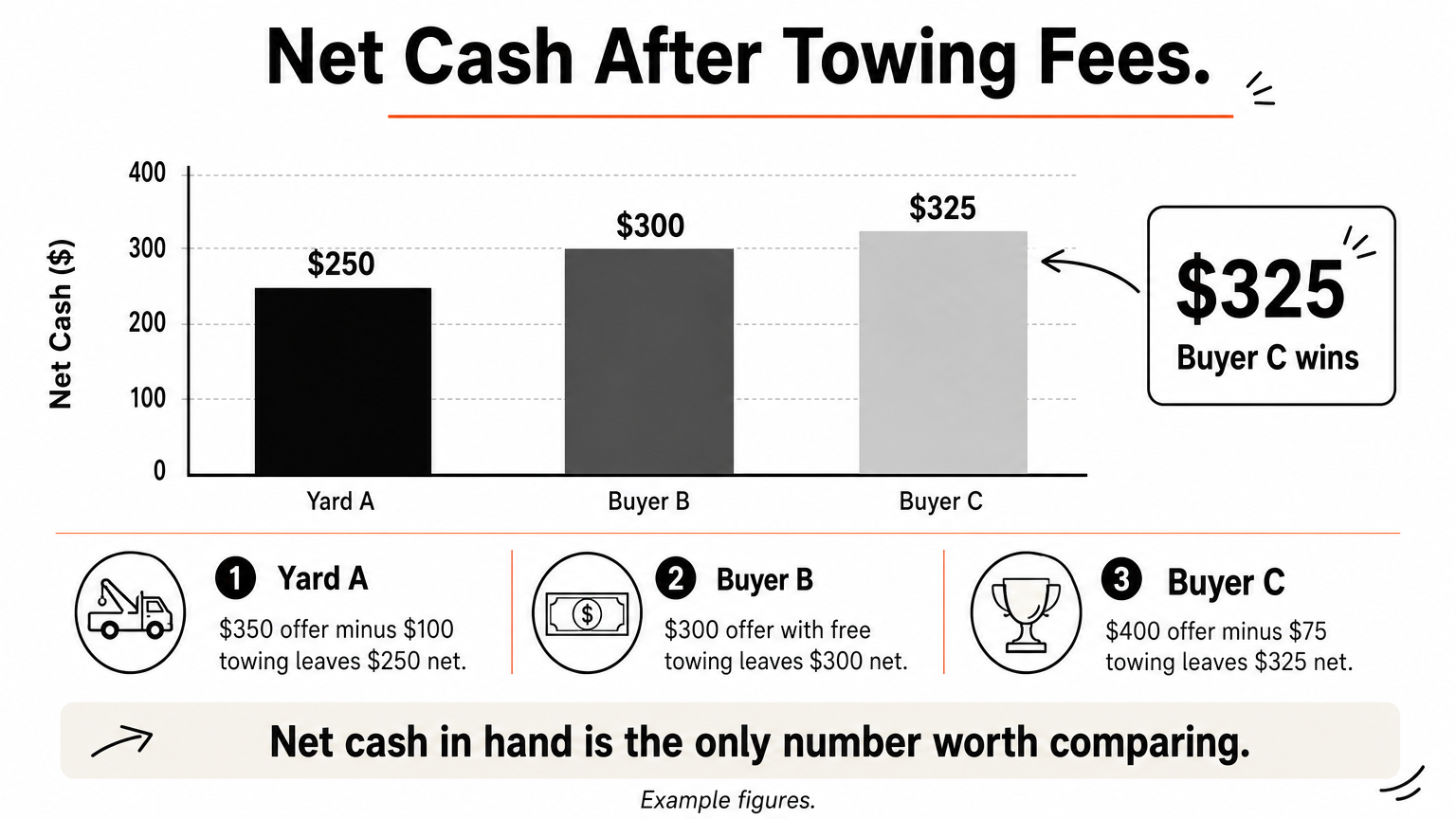
Then net out each offer. Here is an example with made-up numbers:
| Buyer | Offer | Towing fee | Net to you |
|---|---|---|---|
| Yard A | $350 | $100 | $250 |
| Buyer B | $300 | $0 | $300 |
| Buyer C | $400 | $75 | $325 |
Buyer C wins, even though Buyer A’s quote looked close. Net cash in hand is the only number worth comparing.
Compare offers after towing, not before.
Where Car Trackers fits
Car Trackers accepts vehicles of any year, make, or model. You submit your vehicle details online, then show the car in a 10-minute video call from your home, work, or any place with a signal. You get a final offer instantly, with no obligation to accept.
Pickup is scheduled when it suits you. The company says it beats most dealership offers by up to $1,000. Tell the appraiser on the call exactly why the car won’t run, and ask how pickup works for your vehicle.
Step 4. Close the sale and get paid safely
Sign the paperwork correctly
Sign the title in the seller field and write out a bill of sale with the VIN, price, date, odometer reading, and the words "sold as is." Keep a copy of everything. Then file your state’s release of liability or notice of transfer, so tickets and tolls after pickup are not yours.
If you sell to Car Trackers, licensed appraisers manage the purchase agreement, title transfer, and DMV paperwork for you. With a junkyard or private buyer, you do these steps yourself.
Get paid before the car leaves
Insist on verified funds before you hand over the keys or the signed title. Wire transfers and certified checks are the safe methods, and a certified check is worth confirming with the issuing bank. Car Trackers pays by same-day wire as soon as the car is picked up, and it also offers certified checks.
Avoid personal checks, payment apps with a reversal window, and any buyer who sends more than the agreed price and asks for a refund. For an in-person cash deal, meet at your bank so the bills can be verified on the spot.
Never release the title until the money is in your account.
Where to start with your car
Selling a car that won’t run comes down to preparation. Have the title and photos ready, know your floor and ceiling, compare three offers after towing, and take payment only once it is verified. Check for a cheap fix first, because a car that starts is worth far more than one that doesn’t.
If you want a fast benchmark, get a free video appraisal and instant offer from Car Trackers. It costs nothing and carries no obligation, and you can set it next to your yard and dealer quotes before you decide.
