

The fastest way to shop used cars to sell near me is to start with a national marketplace to set a price benchmark, then compare local dealers and private sellers on the total you will pay, not the sticker price. Marketplaces suit early browsers. Franchise dealers suit buyers who want a warranty. Independent lots suit tight budgets. Private sellers suit confident buyers chasing the lowest price. Online retailers suit anyone who hates haggling.
The problem is volume. One ZIP code search returns hundreds or thousands of listings, and the advertised price rarely matches the contract once tax, fees and repairs are counted. Two identical cars can differ by thousands of dollars depending on who is selling.
This guide covers five places to find local used cars. For each one, it shows how pricing works, who it fits and what to check before you commit. We are Car Trackers, an online service that buys cars from owners by video appraisal, so we see both sides of used car pricing. If you also need to sell your current car to fund the purchase, the dealer section and the conclusion cover that.
1. National listing marketplaces
How it works and what you pay
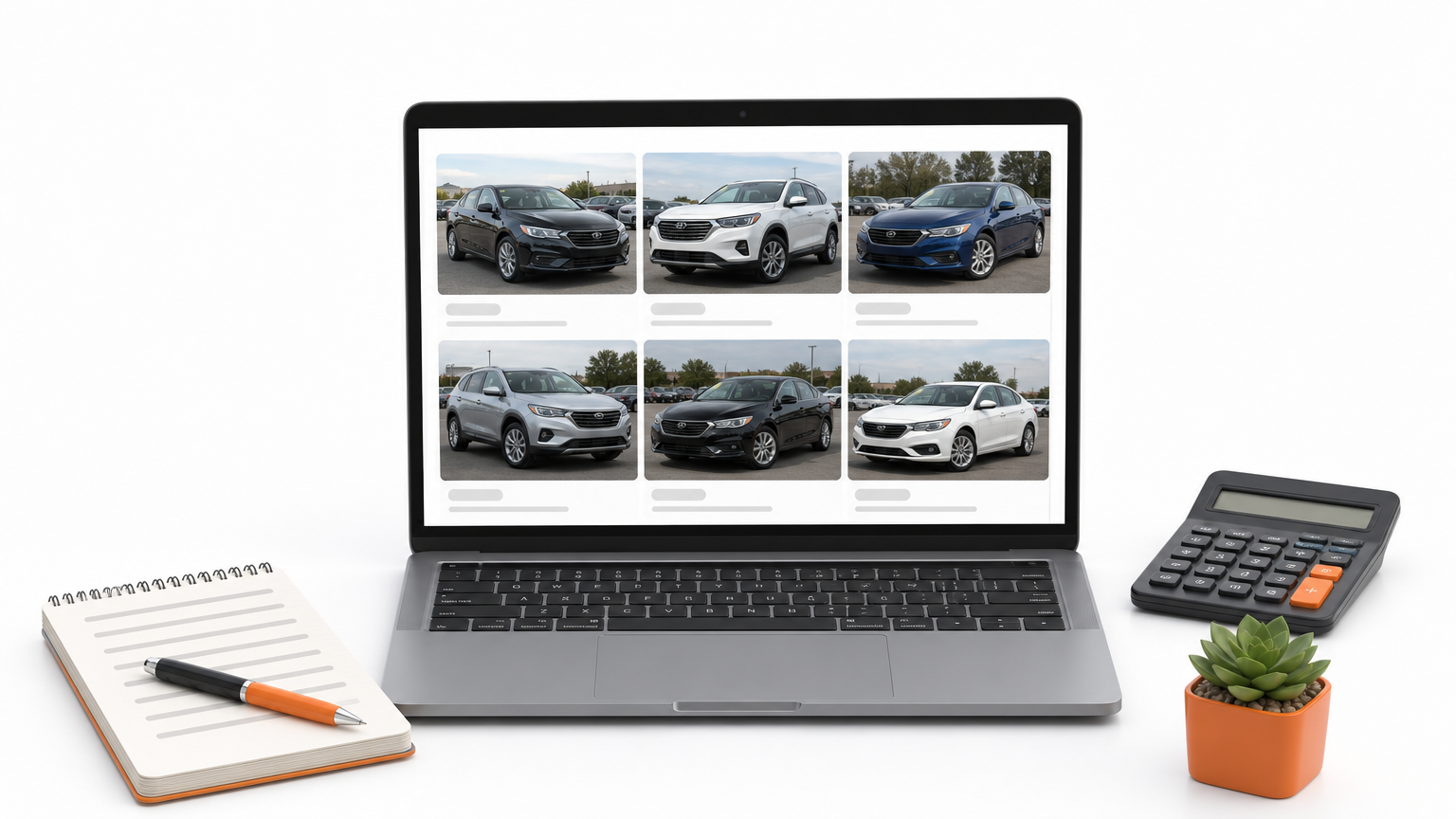
Cars.com, Autotrader, CarGurus, Edmunds, TrueCar and CARFAX collect listings from thousands of dealers and some private sellers. You enter your ZIP code, set a radius and filter by make, model, year, mileage and price. The marketplace never sets the price. The seller does, and the site only displays it.
Use that to build a benchmark. Pull five listings of the same model, year and trim with similar mileage, then note the lowest and the middle price. That middle price is your reference point for every other source below. Some sites also rate each listing against market value. That saves time, but treat the rating as a starting point, not a verdict.
A marketplace shows you what cars are asking, not what they sell for.
Who it suits and what to check
Start here if you are early in your search and want to compare many local sellers by price at once. Before you click through to a listing, check these points:
- Days on the lot. A car listed for several weeks usually has room to negotiate.
- Price history. Repeated drops signal a motivated seller.
- Fees. Many listings exclude dealer fees from the advertised price.
- History report. Open the free report link when the listing offers one.
2. Franchise dealership used inventory
How it works and what you pay
Franchise dealers are the stores tied to a brand, such as Toyota or Ford. They sell trade-ins and certified pre-owned cars. Their prices run higher than private sales because the car is inspected, reconditioned and often backed by a warranty. You are paying for lower risk.
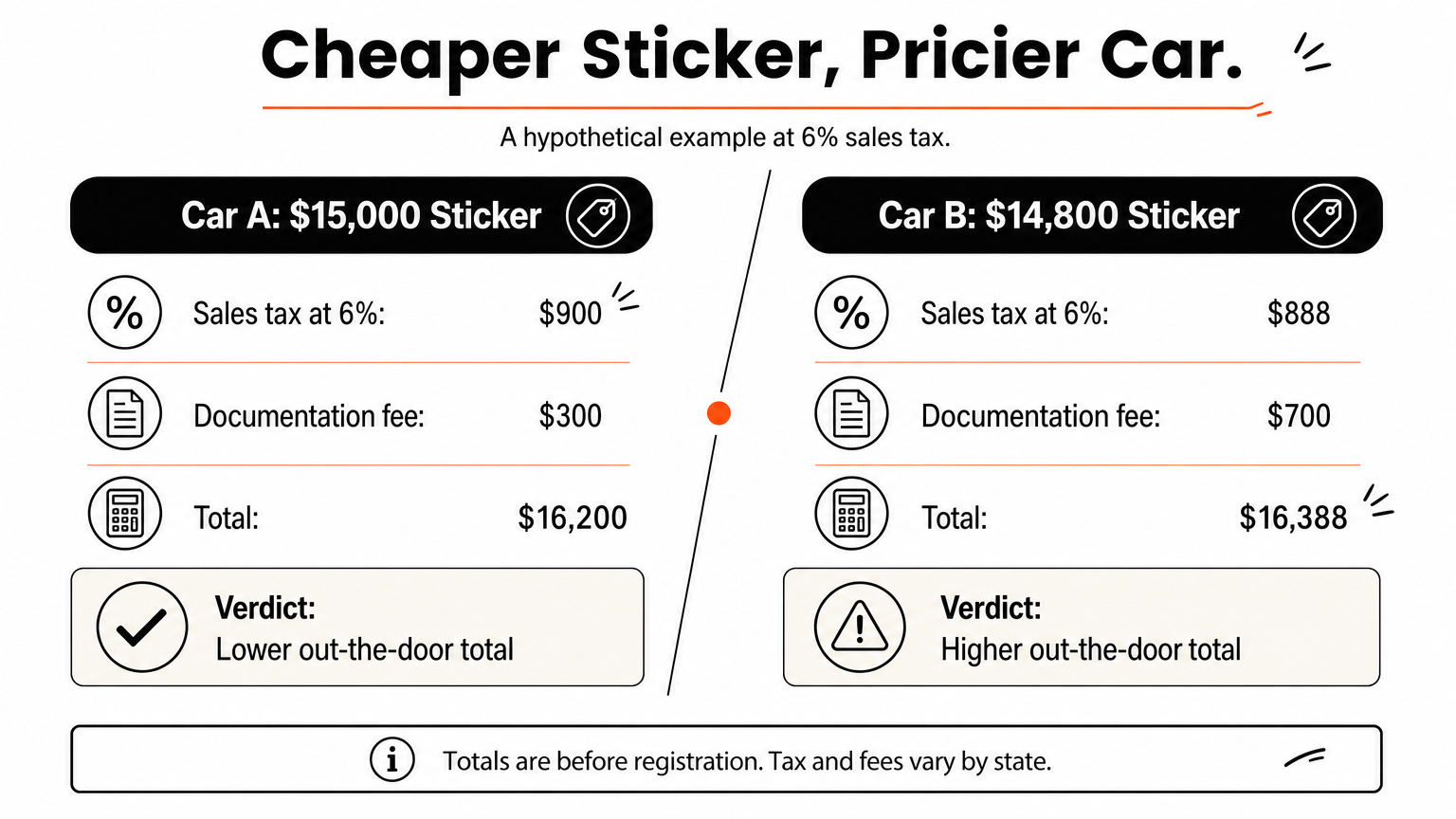
Always compare the out-the-door price. Take a hypothetical $15,000 listing with 6% sales tax and a $300 documentation fee: $15,000 + $900 + $300 = $16,200, before registration. A $14,800 car with a $700 fee costs $14,800 + $888 + $700 = $16,388 at the same tax rate. The cheaper sticker can be the pricier car. Tax and fees vary by state, so ask for the breakdown in writing.
Compare out-the-door totals, because the lowest sticker price is not always the lowest price.
Who it suits and what to check
Dealers suit buyers who want a warranty, in-house financing and a simple trade-in. If you are trading in, get a competing offer first. Car Trackers appraises your car in a 10-minute video call, beats most dealership offers by up to $1,000, and pays by same-day wire at pickup. You can use that number as leverage or simply take it.
- Ask what the certified inspection covered.
- Request the out-the-door price in writing.
- Decline add-ons you did not ask for.
3. Independent used car lots
How it works and what you pay
Independent lots are smaller, unaffiliated dealers. Their sticker prices are often lower than franchise stores because overhead is lower and the inventory skews older. This is where most shoppers hunting cheap used cars under $5,000 end up, along with private sellers. Prices are usually more negotiable, but reconditioning is lighter.
Many of these cars are sold as-is. Federal rules require dealers to post a Buyers Guide on every used car that states whether a warranty applies. The FTC’s guide to buying a used car explains how to read it. As-is means repairs become your bill the moment you drive away.
At a small lot, the price is lower because the protection is thinner.
Who it suits and what to check
These lots suit budget buyers who can judge a car or pay someone to do it. At a limit of $3,000 or less, expect high mileage and set aside money for repairs. Check these points:
- Read the Buyers Guide on the window before negotiating.
- Pay an independent mechanic for a pre-purchase inspection.
- Run a history report using the VIN.
- Compare the lot’s financing rate against your bank or credit union.
4. Private sellers and for-sale-by-owner listings
How it works and what you pay
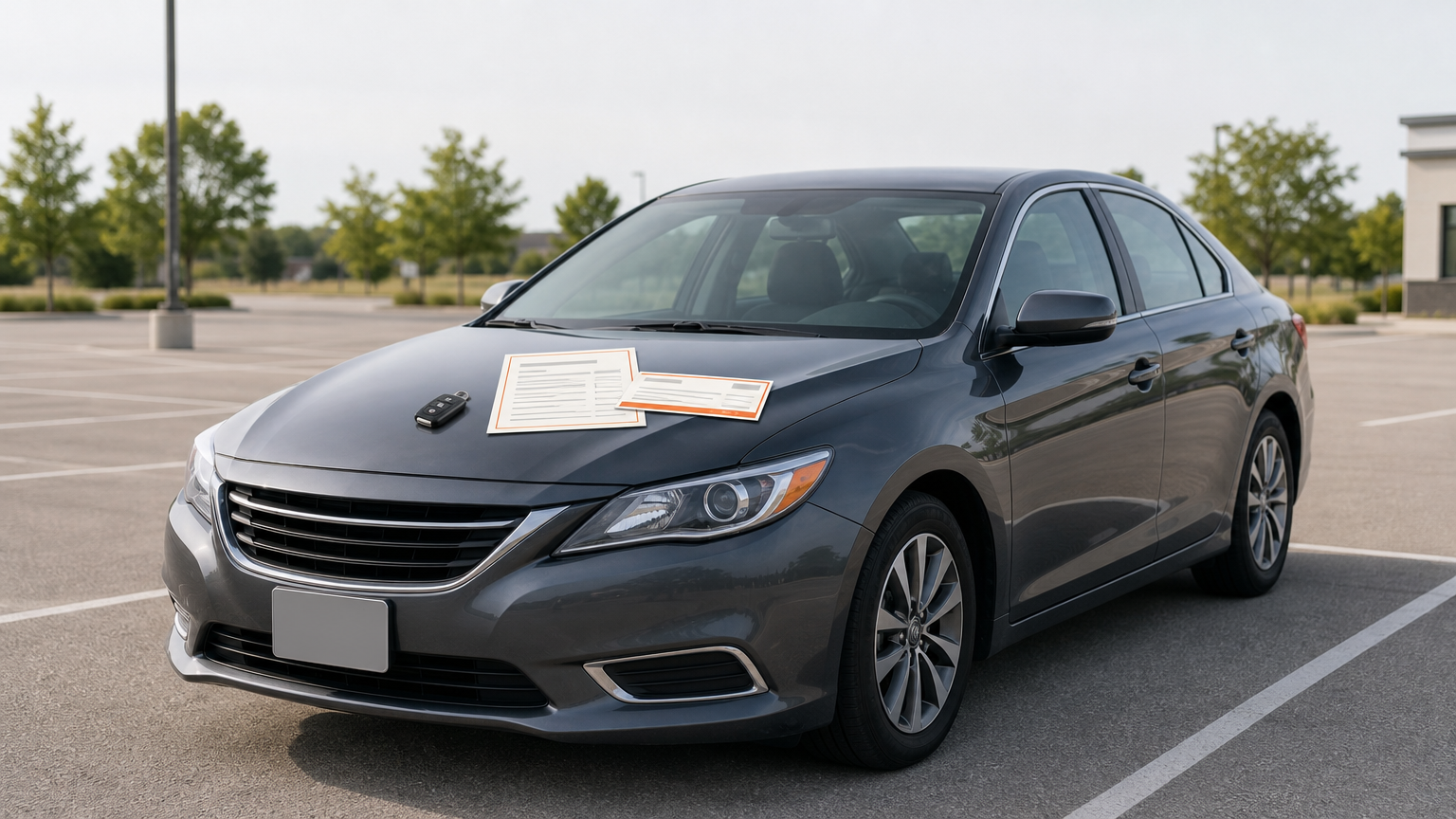
Private sellers list on Facebook Marketplace, Craigslist, local classifieds and the for-sale-by-owner filters on Autotrader and Cars.com. Prices are usually the lowest in the market because the seller has no lot, no staff and no fees to recover. Nearly every used car under $1,000 or $3,000 comes from this channel.
The tradeoff is that you carry the paperwork. There is no warranty and no return window. You handle the title transfer, bill of sale and registration, and in most states you still pay sales tax when you register. Treat a private sale as final.
A private seller gives you the lowest price and the least protection.
Who it suits and what to check
This route suits confident buyers who will inspect the car and handle the paperwork. Use these safety checks every time:
- Meet in a public place and bring a friend.
- Confirm the name on the title matches the seller’s ID.
- Never wire money to a seller you have not met.
- Pay with a cashier’s check at your bank, so the title transfers at the same time.
5. Online used car retailers with delivery
How it works and what you pay
Online retailers sell used cars through a website, deliver them to your door and usually offer a return window. Prices are typically fixed, so there is no haggling, and the selection is far wider than any local lot. The listed price is the starting price, not the final one. Delivery fees, taxes and registration are added at checkout.
You trade a test drive for convenience. Because you cannot drive the exact car first, the return policy does the work of a test drive. Read how many days you get and how many miles you can add before you commit. Policies differ by company and can change, so read the current terms on the retailer’s own site.
With online retailers, the return policy is part of the price.
Who it suits and what to check
These retailers suit buyers who dislike negotiating and want to compare cars beyond their city. Before you order, check:
- The length of the return window and any mileage limit.
- The delivery fee to your address.
- A full inspection on delivery day, plus a check of the history report.
- Whether the price includes all fees at checkout.
Start with the benchmark, then go local
Set your reference price on a national marketplace, then judge every local option by its out-the-door total and by how much protection you get. Dealers cost more and protect you more. Private sellers cost less and protect you least. Lots and online retailers sit in between.
If you are buying because you are replacing a car, price your current one first, since the offer shapes your budget. Get a free, no-obligation offer for your car from Car Trackers with a 10-minute video appraisal and see what you can put toward the next one.
